
Protecting Pets From Heatstroke in Florida’s June Weather

Protecting Pets From Heatstroke in Florida’s June Weather
Florida’s June weather brings intense heat, high humidity, and frequent afternoon storms—conditions that can put your pets at risk for dangerous heatstroke. As temperatures soar in Tamarac and the surrounding communities, pet owners need practical strategies to keep their dogs and cats safe, cool, and comfortable all summer long. At Pet Haven Animal Hospital, conveniently located at 2930 Northwest 48th Street, Tamarac, Florida, 33309, our veterinary team understands the unique challenges that come with South Florida’s climate. This guide provides everything you need to know about recognizing, preventing, and responding to heatstroke in your pet, so you can enjoy the summer while keeping your four-legged family members safe.
How to Recognize Heatstroke in Pets
Heatstroke is a life-threatening emergency that can affect both dogs and cats, especially during Florida’s hot and humid months. Early recognition is crucial for preventing serious complications or even death. Key symptoms of heatstroke include excessive panting, drooling, red or pale gums, and a rapid heartbeat. As the condition worsens, pets may become weak, confused, or collapse entirely. Vomiting, diarrhea, and seizures can also occur in severe cases. Cats may exhibit less obvious signs such as unusual lethargy, rapid breathing, or open-mouth breathing.
Pet owners should pay close attention to their animals’ behavior, especially during outdoor activities or after time spent in the heat. If your dog seems less interested in play, seeks shade constantly, or is reluctant to move, these may be early warning signs. Similarly, if your cat is breathing with its mouth open or seems unsteady on its feet, it is time to take action. Immediate recognition and intervention can truly make the difference in an emergency situation.
Why Do Pets Get Heatstroke?
Understanding the causes of heatstroke helps pet owners take effective preventive steps. Unlike humans, dogs and cats cannot sweat efficiently to cool themselves. Dogs primarily regulate body temperature by panting, while cats have even fewer mechanisms for dissipating heat. This means that when the air is hot and humid, these cooling methods are far less effective.
Several risk factors contribute to heatstroke. Leaving pets in parked cars—even for just a few minutes—can be deadly, as temperatures inside a vehicle can rise rapidly. Outdoor play during midday or afternoon hours, when the sun is strongest, also increases risk. Pets with thick coats, short snouts (such as bulldogs, pugs, or Persian cats), or pre-existing health conditions like heart disease are especially susceptible. Puppies, senior pets, and overweight animals may struggle even more with temperature regulation. High humidity further complicates matters, as it prevents effective panting and heat evaporation, making even shady areas unsafe at times.
What to Expect: Veterinary Treatment for Heatstroke
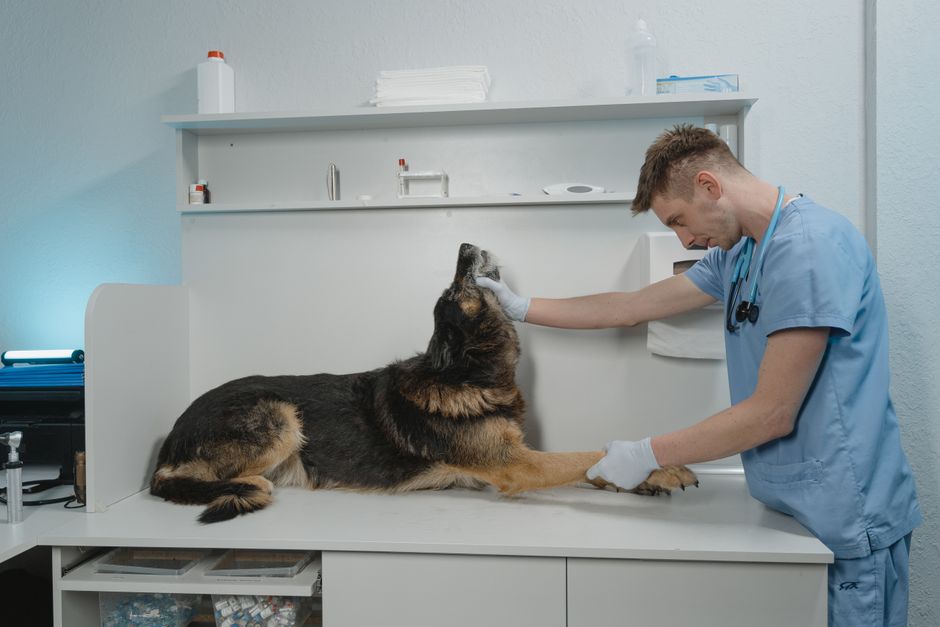
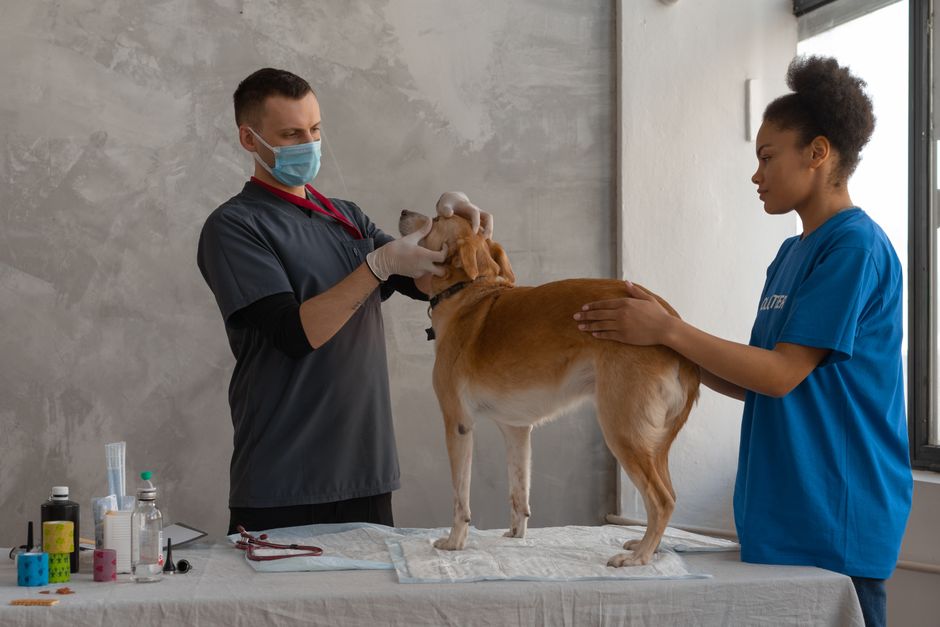
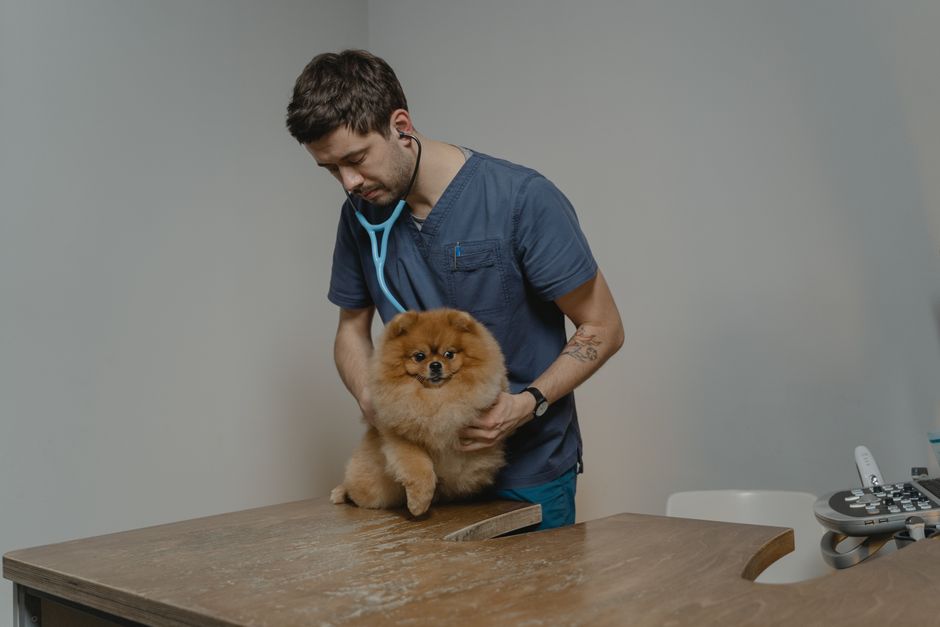
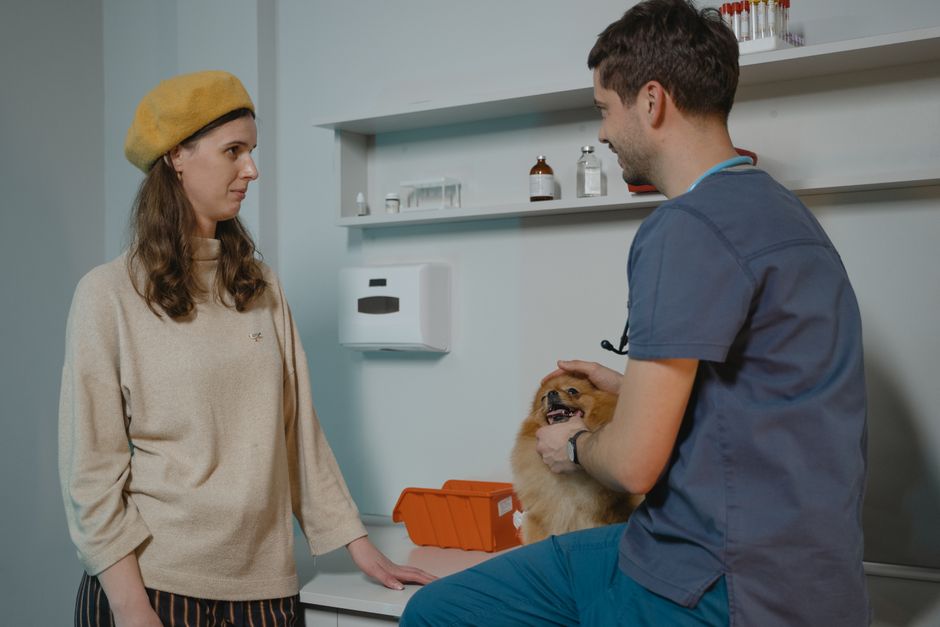
If you suspect your pet is suffering from heatstroke, it is a true medical emergency. Immediate action at home can buy precious time, but professional veterinary care is essential for survival and recovery. At Pet Haven Animal Hospital, our veterinary team is equipped to provide rapid, expert treatment for heatstroke in dogs and cats.
Upon arrival at the clinic, your pet will be evaluated and stabilized as quickly as possible. Treatment begins with controlled cooling using cool (not cold) water and wet towels, as overly rapid temperature reduction can also be harmful. Intravenous fluids are typically administered to combat dehydration and support organ function. Oxygen therapy, medications to control seizures or vomiting, and close monitoring of vital signs are all part of the comprehensive care your pet may receive. Blood tests help assess the impact of heatstroke on organs, and ongoing care is tailored to your pet’s condition. The earlier treatment begins, the better the chances of a full recovery. Even if your pet seems to recover after cooling at home, a veterinary examination is always recommended, as internal damage may not be immediately obvious.
Keeping Your Pet Safe: Prevention Tips for Florida’s Summer Heat
Preventing heatstroke is far easier—and safer—than treating it. Practical steps to keep your pet cool include limiting outdoor activities to early morning or late evening, when temperatures are lower. Walk dogs on grass rather than hot pavement, which can burn sensitive paw pads. Always provide fresh, cool water in multiple locations, both inside and outside your home. Make sure your pet has access to shade or air conditioning, especially during peak afternoon heat.
Never leave your pet in a parked car, even with the windows cracked. If you need to run errands, it is safest to leave your pet at home. For long-haired breeds or pets with thick coats, regular grooming helps reduce heat retention. Consider using cooling mats or damp towels for your dog or cat to lie on. For cats, ensure quiet, shaded spaces indoors. Some cats will even appreciate a fan in their favorite resting area. If you have a fenced yard, always supervise outdoor time and avoid letting pets out during the hottest part of the day. Remember that pets can overheat quickly during play, so take frequent breaks and monitor for signs of fatigue or distress.
When to Seek Veterinary Care for Heatstroke
Knowing when to seek help is crucial. If your pet exhibits any signs of heatstroke, such as excessive panting, drooling, staggering, vomiting, or collapse, act immediately. Move your pet to a cooler environment, offer small amounts of water, and begin gentle cooling with room-temperature water. Do not use ice or very cold water, as this can constrict blood vessels and hinder cooling. Most importantly, contact your veterinarian right away.
At Pet Haven Animal Hospital, our veterinary team is ready to provide urgent care for heatstroke and related emergencies. Even if your pet appears to recover after initial cooling, schedule a prompt veterinary appointment for a thorough evaluation. Some effects of heatstroke, such as kidney injury or internal organ damage, may not become apparent until hours or days later. Timely professional assessment ensures your pet receives the care they need for a safe recovery.
If you are searching for a "vet near me" in Tamarac who understands the unique challenges of Florida’s summer weather, you can trust our team to provide expert, compassionate care for your dog or cat.
Helping Your Pet Thrive All Summer Long
Florida’s heat and humidity can be relentless, but with a proactive approach, you can keep your pets happy, healthy, and safe throughout the summer. Recognize the signs of heatstroke early, take preventive steps every day, and never hesitate to seek veterinary help if you have concerns. The team of veterinarians at Pet Haven Animal Hospital is committed to supporting you and your pets in Tamarac and the surrounding communities, offering thorough guidance and attentive medical care when you need it most.
If you suspect your pet is suffering from heatstroke or want personalized advice on summer safety, contact our veterinary team today. Schedule an appointment by calling (941) 875-3727 or visit us at 2930 Northwest 48th Street, Tamarac, Florida, 33309. Your pet’s safety is our top priority, and we are here to help you navigate the challenges of Florida’s summer weather with confidence and peace of mind.
This article is intended for informational purposes only and should not replace professional veterinary advice. If you believe your pet is experiencing a medical emergency, contact your veterinarian immediately.