
Beat the August Heat: Hydration Tips for Englewood Dogs and Cats

Beat the August Heat: Hydration Tips for Englewood Dogs and Cats
Florida’s August heat can be relentless, and pet owners in Englewood know just how quickly the humid days can take a toll on their beloved dogs and cats. At Pet Haven Animal Hospital, we understand that keeping your pet hydrated is one of the most important ways to safeguard their health during the summer. Hot weather brings unique challenges, from rapidly evaporating water bowls to subtle signs of dehydration that aren’t always easy to spot. In this blog, we’ll guide you through practical hydration tips, explain how to recognize when your pet is at risk, and describe how our veterinary team in Englewood, FL, supports your pet’s health during the toughest summer months. You’ll also find advice on what to do if you suspect dehydration, and when it’s time to schedule an appointment with our team of veterinarians for a more thorough check.
Whether you’re planning outdoor adventures with your dog or simply want to keep your indoor cat safe and comfortable, understanding the risks of dehydration and how to prevent it is key to a happy, healthy summer. Let’s dive into the signs, causes, and solutions for keeping your pets hydrated and thriving—even when Englewood’s temperatures are soaring.
How to Recognize Dehydration in Dogs and Cats
During the hottest days of August, it’s important to watch for early signs that your dog or cat may not be getting enough water. Dehydration can develop quickly, especially in pets who spend time outside or aren’t naturally enthusiastic drinkers. Key symptoms include lethargy where your pet seems less energetic than usual, sunken eyes that may appear dull or dry, and dry or sticky gums. Other warning signs are loss of appetite, excessive panting in dogs, rapid heart rate, and skin that does not quickly return to place when gently pinched at the scruff. In cats, you might also notice decreased grooming or hiding behavior.
If you notice your pet is reluctant to play, seems unusually tired, or their eyes appear less bright, these may be subtle signs that dehydration is starting to set in. It’s especially important to monitor senior pets, young puppies or kittens, and pets with chronic medical conditions, as they are at higher risk for dehydration-related complications.
Understanding Why Pets Become Dehydrated in Florida Summers
Englewood’s summer humidity and heat create conditions where pets lose more water through panting, respiration, and evaporation. Dogs and cats don’t sweat the way humans do; instead, they rely mainly on panting and limited sweat glands in their paws to regulate body temperature. When the air is humid, this cooling method becomes less efficient, and pets can lose body fluids quickly.
Other contributing factors include increased outdoor activity, sun exposure, and limited access to fresh water during walks or playtime. Certain medical conditions, such as kidney disease, diabetes, or gastrointestinal illness, can also increase your pet’s risk of dehydration. Medications and recent surgeries may affect your pet’s normal thirst mechanisms as well.
For cats, particularly those who eat primarily dry food, inadequate water intake is a common issue throughout the year, but it becomes even more critical during August’s high temperatures. Remember that environmental factors, like air conditioning and fans, can also dry out the air inside your home, increasing your pet’s need for water even if they stay indoors.
Professional Treatment and Support for Dehydrated Pets
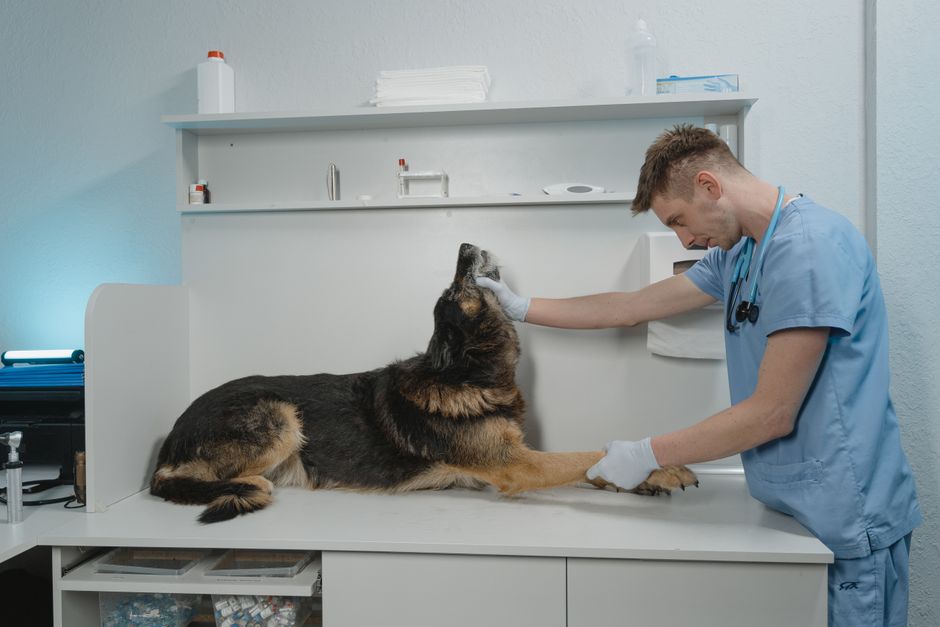
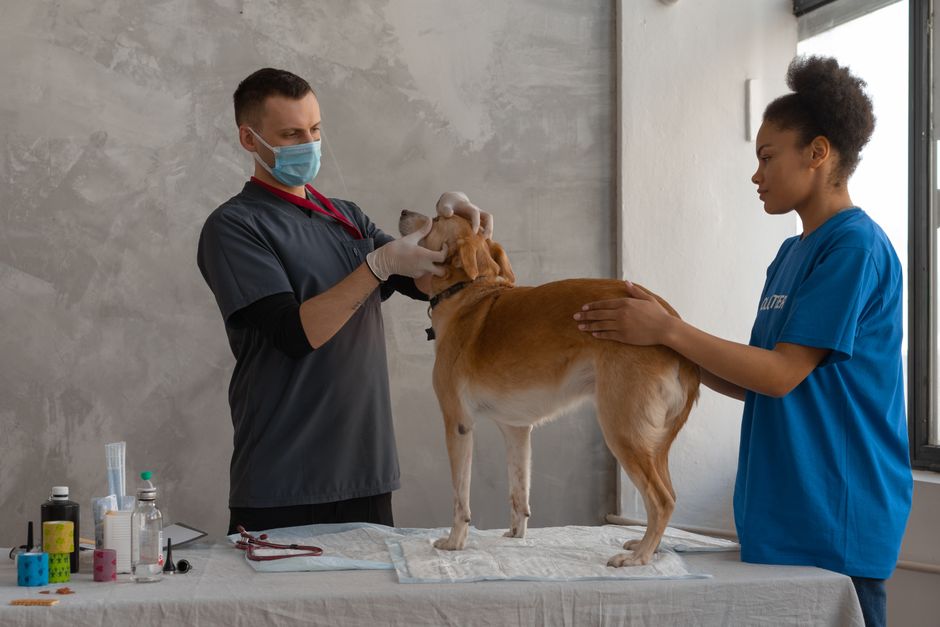
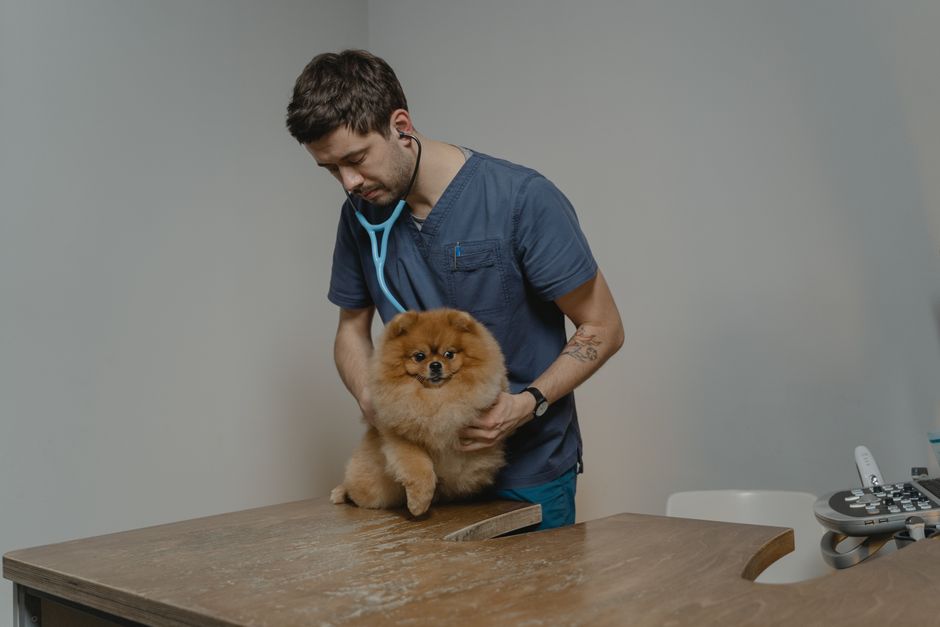
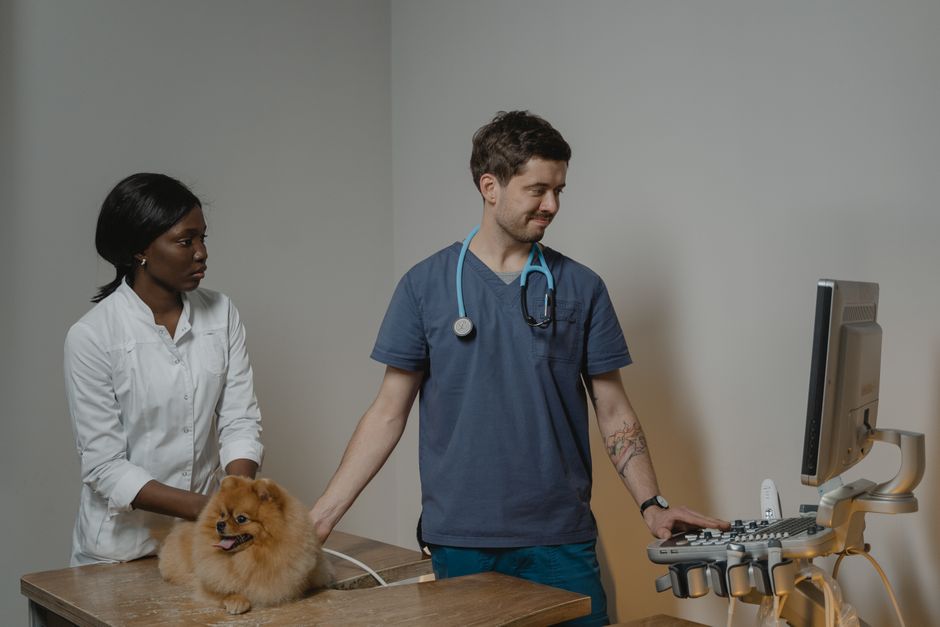
If you suspect your dog or cat is dehydrated, prompt action is essential. At Pet Haven Animal Hospital, our veterinary team begins with a thorough physical examination, assessing hydration status by checking mucous membranes, skin elasticity, and vital signs. We may recommend diagnostic testing to determine if there is an underlying illness contributing to your pet’s dehydration. Our comprehensive physical exams are designed to catch subtle changes in your pet’s health before they become serious problems.
Treatment approaches vary depending on the severity of dehydration. Mild cases may be managed with encouragement of oral fluids and close monitoring at home, but moderate to severe dehydration often requires intravenous or subcutaneous fluids administered in our hospital. In cases where dehydration is caused by an underlying condition, such as kidney disease or infection, we will address the root cause alongside fluid therapy.
Our veterinarians also provide guidance on safe rehydration, ensuring you do not overwhelm your pet’s system by offering excessive water too quickly. If your pet is recovering from surgery or a medical condition, we will create a personalized hydration plan to support their recovery.
Hydration Tips You Can Use at Home
Preventing dehydration starts with a few simple changes to your daily routine. Always provide fresh, clean water in multiple locations throughout your home and yard. Change water at least once or twice daily, and clean bowls regularly to prevent bacterial buildup. For pets who are reluctant drinkers, try using a pet water fountain to encourage curiosity and increased intake; many cats and some dogs prefer moving water sources.
During walks or outdoor play, bring a portable water bottle and bowl for your dog, and take frequent breaks in the shade. Adjust walk times to early morning or late evening when temperatures are cooler. For cats, especially those who eat mostly dry kibble, consider adding canned food to increase moisture intake. You can also try adding ice cubes to water bowls or offering pet-safe frozen treats for extra hydration during the hottest part of the day.
If your pet has specific medical needs, such as heart or kidney issues, always consult your veterinarian before making changes to their diet or hydration strategies. Our team is happy to help you develop a plan tailored to your pet’s unique requirements.
When to Schedule a Veterinary Visit for Dehydration
It can be difficult to know when home remedies are enough and when professional care is needed. If you notice persistent symptoms such as sunken eyes, dry gums, lethargy, or your pet refuses to drink for more than 24 hours, it’s time to schedule an appointment. Pets with vomiting, diarrhea, or known medical conditions should be examined even more quickly, as dehydration can progress rapidly in these cases.
At Pet Haven Animal Hospital, our veterinarians are trained to detect the early signs of dehydration and provide prompt, compassionate care. If you’re ever unsure, it’s always safer to schedule a visit rather than risk complications. Our diagnostic laboratory services allow us to run bloodwork and other tests to evaluate hydration and organ function, ensuring your pet receives the best possible treatment.
Keeping Your Pet Hydrated All Summer Long
Florida’s August heat is challenging, but with the right knowledge and support, your dog or cat can stay healthy and comfortable. Watch for early signs of dehydration, keep fresh water available at all times, and adjust routines to avoid the hottest parts of the day. If you have any concerns, don’t hesitate to reach out to our veterinary professionals at Pet Haven Animal Hospital. Our team is here to help you navigate the unique challenges of summer in Englewood and surrounding communities.
For additional peace of mind, consider scheduling a semi-annual comprehensive exam to ensure your pet is thriving through every season. If you find yourself searching for a "vet near me" who truly cares about your pet’s wellbeing, our Englewood veterinary team is ready to support you.
To schedule an appointment or ask questions about your pet’s hydration and health, call us at (941) 875-3727 or visit us at Pet Haven Animal Hospital in Englewood, FL. We look forward to helping your pets stay happy, hydrated, and healthy all summer long.