Preventing Parasites in Englewood Pets During Humid August



Preventing Parasites in Englewood Pets During Humid August
When August rolls around in Englewood, FL, pet owners often notice their dogs and cats scratching more or acting uncomfortable. If you have ever wondered why your pet seems itchier or more prone to digestive upsets during this time of year, you are not alone. The hot, humid, and rainy climate of Englewood creates the perfect environment for parasites to thrive. Fleas, ticks, and intestinal worms are all more active during these warm months, increasing the risk for your pet. At Pet Haven Animal Hospital, we understand how concerning it can be to see your pet dealing with these pests. Our team is dedicated to helping you recognize the signs of parasite problems, understand why they occur, and take effective steps to keep your pets healthy and comfortable all season long.
In this blog, we will cover how Englewood’s climate increases parasite risks for local pets, how to spot symptoms of infestation, what causes these problems, and the best ways to protect your dog or cat. We will also explain when it is time to schedule a veterinary appointment and how our comprehensive services support your pet’s well-being. You will find practical tips and expert guidance from our veterinarians here in Englewood and surrounding communities.
Recognizing Parasite Problems in Dogs and Cats
Spotting a parasite issue early can make a significant difference for your pet’s comfort and health. Common signs of external parasites like fleas and ticks include scratching, biting at the skin, hair loss, red or irritated areas, and in some cases, visible fleas or ticks on the fur. You might also see your pet shaking their head, chewing at their tail base, or developing scabs and hot spots. For internal parasites, such as roundworms, hookworms, or tapeworms, symptoms can be less obvious. Watch for signs like vomiting, diarrhea, weight loss despite a good appetite, bloated abdomen, or seeing worms in your pet’s stool or around the rectum.
Other subtle indicators of parasite problems include lethargy, restlessness, pale gums, or a dull coat. Cats may groom excessively or withdraw if feeling unwell, while dogs might seem fidgety during walks or playtime. If your pet is showing any of these symptoms, it is important not to ignore them, as parasite infestations can quickly worsen in the hot, wet months of August.
Why Are Parasites Worse in August in Englewood?
The climate in Englewood, FL, plays a significant role in the increased parasite risk during August. Warm temperatures, frequent rainfall, and high humidity provide ideal breeding conditions for fleas, ticks, and mosquitoes. Fleas thrive in moist, shaded areas and can quickly multiply, especially if pets spend time in grassy yards or at local parks. Ticks become more active with the increased rainfall, latching onto pets that brush through shrubs or tall grass. Mosquitoes, which carry the dangerous heartworm parasite, breed rapidly in standing water left after summer storms.
Additionally, pets are often more active outdoors during the summer, increasing their chances of exposure. Even strictly indoor cats are not immune, as fleas and mosquitoes can hitch a ride indoors on humans, other animals, or through open windows and doors. In Englewood and nearby areas, the combination of environmental factors and local wildlife means that parasite pressure is at its peak during late summer.
How Parasite Problems Develop in Pets
Fleas, ticks, and intestinal parasites each have unique ways of infecting dogs and cats. Fleas can jump from infested wildlife, other pets, or the environment onto your pet. Once on board, they reproduce rapidly; a single female flea can lay dozens of eggs per day, which then fall into carpets, bedding, and yard soil, creating a cycle of reinfestation. Ticks commonly wait in tall grass or shrubs, attaching to pets as they pass by. Some ticks can transmit serious diseases such as Lyme disease or ehrlichiosis to pets.
Intestinal parasites, including roundworms, hookworms, and tapeworms, are often picked up when pets ingest contaminated soil, water, or prey animals. Puppies and kittens are especially vulnerable, as they can acquire certain worms from their mothers. In the warm, wet conditions of August, these parasites can survive longer in the environment, increasing the risk of infection for your pets.
Heartworms, spread by mosquitoes, are a particular concern in Englewood. Mosquito activity surges after summer rains, and a single bite can transmit heartworm larvae that mature and cause life-threatening disease in dogs and, less commonly, in cats.
Professional Treatment and What to Expect
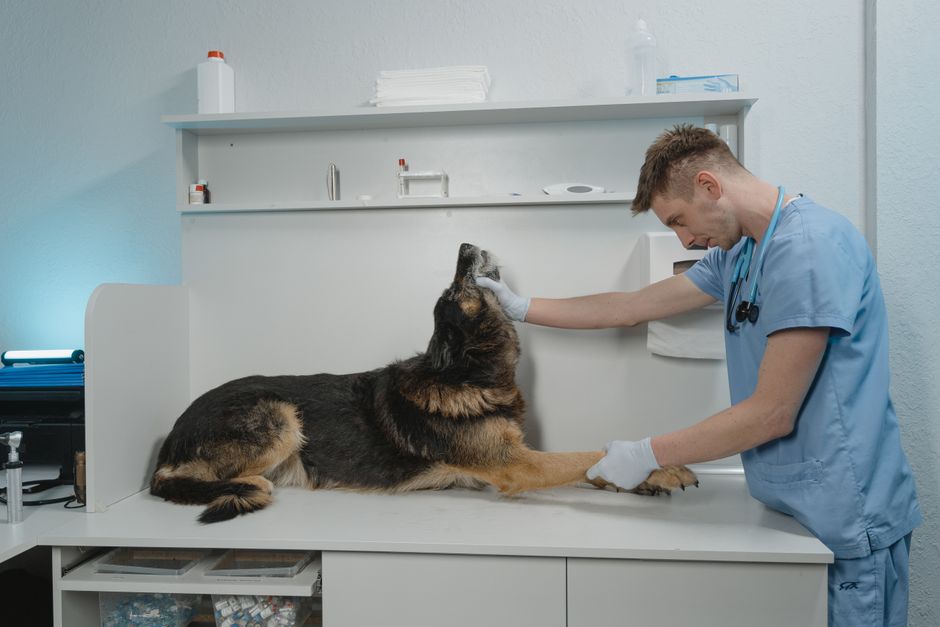
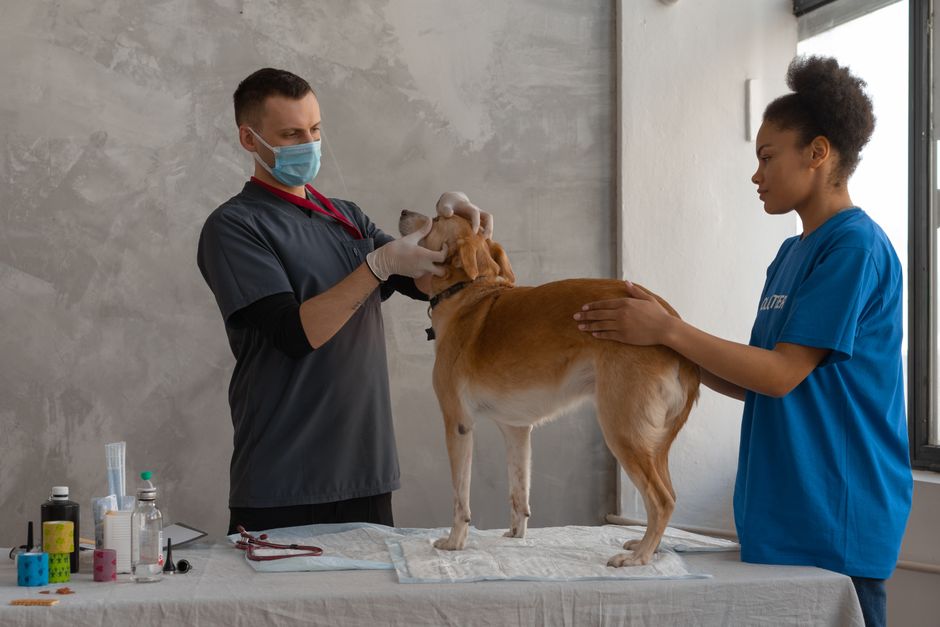
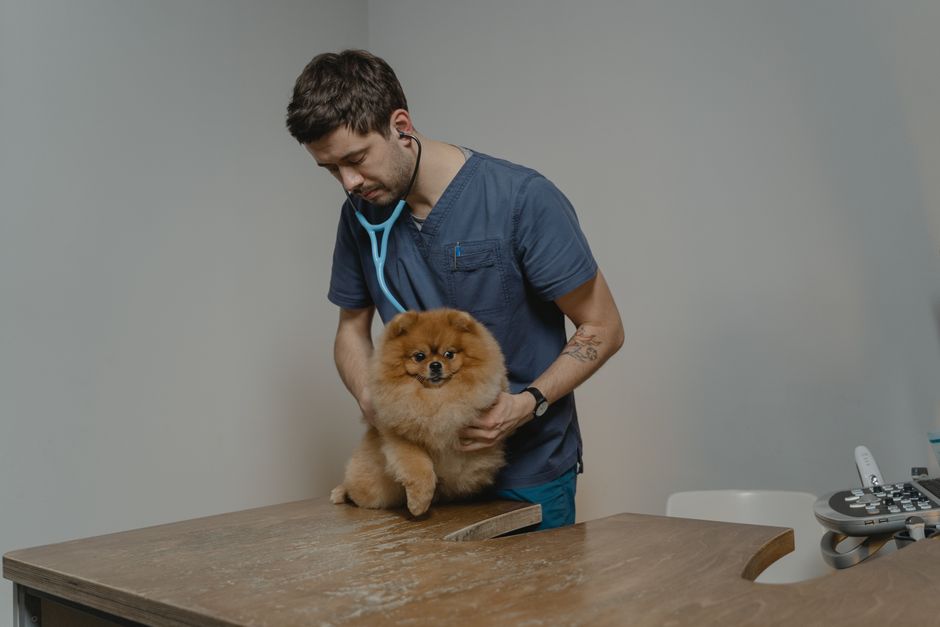
If you suspect your pet may have a parasite problem, prompt veterinary care is essential. At Pet Haven Animal Hospital, our veterinarians start with a thorough examination, often followed by diagnostic testing. For external parasites, we may use a flea comb and inspect your pet’s skin closely. For internal parasites, a fecal exam will help identify the specific worm species present. In cases of heartworm risk, specialized blood testing is recommended. You can find more information about our diagnostic laboratory services including parasite screening for pets on our website.
Treatment approaches depend on the type and severity of the infestation. For fleas and ticks, we may recommend veterinary-approved topical or oral medications that kill adult parasites and disrupt their life cycle. Environmental treatment is also important, so we will discuss ways to address fleas and ticks in your home and yard. For intestinal parasites, appropriate deworming medications are prescribed based on the specific parasite identified.
Heartworm prevention and treatment are critical, especially in Englewood’s climate. Dogs should receive monthly preventive medication year-round; if your pet’s heartworm status is unknown, our team offers heartworm testing for dogs and cats to ensure timely protection. For cats, preventive products are also available and highly recommended due to the risks posed by both fleas and heartworms.
Throughout treatment, our team provides clear instructions, follow-up care, and ongoing support to ensure your pet makes a full recovery and remains protected in the future.
Preventing Parasites at Home: Actionable Steps
Preventing parasites is much easier than treating an active infestation. Our veterinarians recommend a combination of home care, environmental management, and regular veterinary visits. Consistent use of flea, tick, and heartworm preventives tailored to your pet’s needs is the foundation of protection. Products should be applied or administered as directed, without missing doses, especially during high-risk months like August.
Maintaining a clean environment also helps reduce parasite exposure. Vacuum your carpets, wash your pet’s bedding frequently, and keep your yard tidy by mowing grass and removing debris that can harbor pests. Minimizing your pet’s contact with stray animals and wildlife reduces the chances of picking up new parasites.
Year-round veterinary care is essential for monitoring your pet’s health and adjusting preventive strategies as needed. Routine checkups allow our veterinary team to catch infestations early and provide personalized recommendations. For a more detailed look at our comprehensive physical exams for small animals, you can visit our website.
Feeding a high-quality diet and keeping your pet in good physical condition also supports a healthy immune system, making it harder for parasites to take hold. If your pet is prone to allergies or skin issues, our team can recommend specialized care to reduce the risk of secondary infections related to parasite bites.
When to Schedule a Veterinary Visit
While some mild scratching or an occasional upset stomach may not seem alarming, it is important to know when a visit to the veterinarian is warranted. If your pet is persistently scratching, losing fur, developing sores, or you notice visible fleas, ticks, or worms, professional evaluation is strongly recommended. Additional reasons to schedule an appointment include ongoing vomiting or diarrhea, sudden weight loss, lethargy, or pale gums. Sudden changes in behavior, such as hiding or reluctance to be touched, can also signal discomfort from parasites.
For pets that have missed doses of preventive medication or are overdue for their checkup, August is an ideal time to schedule a semi-annual comprehensive exam. Our veterinarians can assess your pet’s parasite risk, update vaccinations, and provide tailored recommendations for the season.
Remember, waiting too long can allow parasites to multiply and cause more serious health issues. Early intervention is the best way to keep your pet comfortable and healthy.
Why Choose Pet Haven Animal Hospital for Parasite Prevention
At Pet Haven Animal Hospital, our veterinary team is passionate about helping pets in Englewood and surrounding communities stay healthy and parasite-free, even during the most challenging months. We offer a full range of services from routine examinations to advanced diagnostics and effective parasite prevention strategies. Our veterinarians prioritize education, ensuring you understand what is happening with your pet and how to best protect them year-round.
When searching for a veterinarian near me, it is important to choose a clinic with experience in local parasite risks and a commitment to compassionate, comprehensive care. Our team takes the time to answer your questions and develop a personalized plan that fits your household and pet’s unique needs.
Take Action Today for a Healthier, Happier Pet
As August humidity rises in Englewood, so does the risk of fleas, ticks, and intestinal parasites. By staying proactive with prevention, maintaining a clean environment, and scheduling regular veterinary visits, you can protect your pet from the discomfort and danger of parasites. Our team at Pet Haven Animal Hospital is here to support you every step of the way, offering expert guidance and top-quality care for your dogs and cats.
If you are concerned about parasites or need to update your pet’s preventive plan, schedule an appointment with our veterinarians today. You can learn more about our vaccination services, routine checkups, and parasite screening on our website. For questions or to book a visit, call us at (941) 875-3727 or stop by our convenient Englewood location. We look forward to helping your pet stay healthy, comfortable, and parasite-free all year long.